

The Coronavirus might have been spreading quietly in humans for years, or even decades, without causing a detectable outbreak. Dr. Francis Collins, director of the US National Institutes of Health1
Echoes of Swine Flu, Shadows of SARS
The origins of COVID-19 remain one of the most fiercely debated questions of our time, a puzzle entangled in science, geopolitics, history, and institutional failures. Drawing from a detailed timeline that connects mid-20th-century biowarfare experiments to events in late 2019, a picture emerges not of a singular “eureka” moment but of a convergence of human ambition, risky research, and delayed global response.
From Fort Detrick to Wuhan
In September 1943, the U.S. Army launched Operation Capricious, a biowarfare program framed as defensive against potential enemy insect vectors but involving the production and stockpiling of deadly pathogens like anthrax and botulism. Directed by George W. Merck of Merck & Co., it evolved into operational use during the Korean War era, though crude and largely ineffective. As Jeffrey A. Lockwood details in Six-Legged Soldiers: Using Insects as Weapons of War, such efforts highlighted the persistent allure—and limitations—of biological weapons, which the USAF dropped on Korea and China in 1951.
By the 1970s we hear pre-echoes of pandemic panic. In January 1976, soldiers at Fort Dix, New Jersey, fell ill with a respiratory virus. One, Private David Lewis, died after a forced march. Testing revealed swine influenza A, linked to the devastating 1918 pandemic. CDC Director David Sencer pushed for mass immunization, President Gerald Ford announced the program, and manufacturers demanded indemnity against liability. The effort rolled out amid controversies: insurer refusals, researcher J. Anthony Morris’s dismissal for questioning vaccine safety, and eventual reports of Guillain-Barré syndrome cases. The program halted in December 1976 after elevated risks became clear. Later analyses, including Gina Kolata’s Flu, questioned the causal links and criticized the rush. A parallel tragedy unfolded in 2009 with GlaxoSmithKline’s Pandemrix vaccine during the H1N1 outbreak, linked to narcolepsy and cataplexy in thousands, costing governments millions in compensation.
These precedents set a backdrop of institutional caution laced with overreach when a novel coronavirus emerged. The timeline points to laboratory origins as the most probable explanation, spotlighting Fort Detrick’s U.S. Army Biological Warfare Laboratories, which first synthesized coronavirus in 2003. University of North Carolina researcher Ralph Baric published a 2008 paper on creating a bat SARS-like coronavirus and described2 modifying viruses to target specific receptors—work praised by peers as exemplary gain-of-function research, a field often described as virology’s “black magic.”
The Origins We Almost Missed
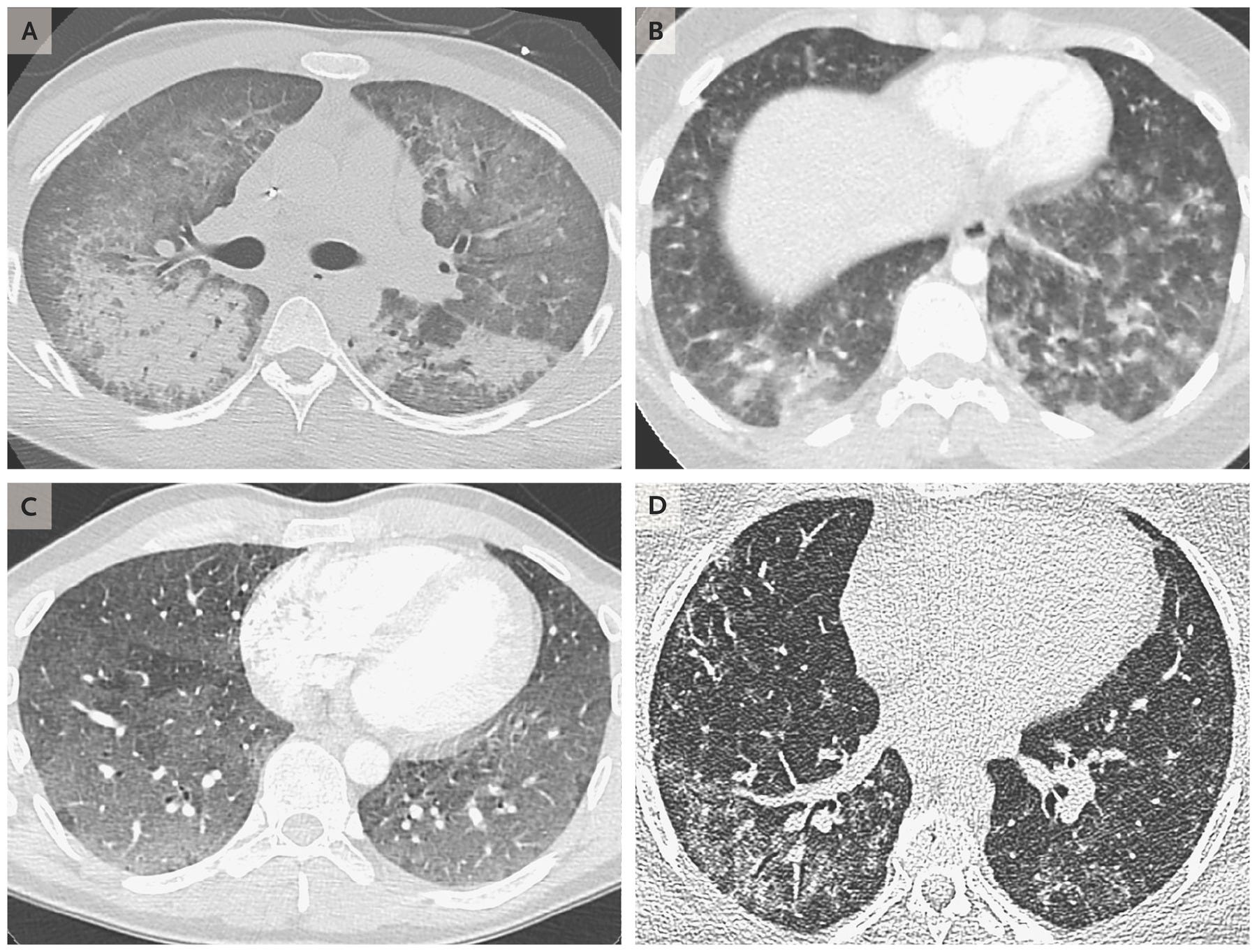
Retrospective analyses suggest that SARS-CoV-2 may have been circulating in Europe and the United States well before3 its official emergence in Wuhan in late December 2019. Italian researchers found that the virus was present as early as September 2019, and testing by the University of Siena confirmed four cases dating to the first week of October, indicating infections in September. In the United States, community spread appears to have occurred weeks or even months earlier than January 21, 2020, California’s first officially detected case. Additionally, unexplained clusters of severe pneumonia and respiratory illnesses with COVID-like symptoms (including ground-
