

Mao: How to give “tit for tat” depends on the situation. Sometimes, not going to negotiations is tit-for-tat; and sometimes, going to negotiations is also tit-for-tat. We were right not to go before, and also right to go this time; in both cases we have given tit for tat. We did well to go this time, for we exploded the rumour spread by the Kuomintang that the Communist Party did not want peace and unity. They sent three successive telegrams to invite us, and we went. But they were totally unprepared, and we had to make all the proposals. As a result of the negotiations, the Kuomintang has accepted the general policy of peace and unity. That’s fine. If the Kuomintang launches civil war again, it will put itself in the wrong in the eyes of the whole nation and the whole world, and we shall have all the more reason to smash its attacks by a war of self-defence.
Now that the “October 10th Agreement” has been concluded, our task is to uphold the agreement, to demand that the Kuomintang honour it and to continue to strive for peace. If they fight, we will wipe them out completely. This is the way things are: if they attack and we wipe them out, they will have that satisfaction; wipe out some, some satisfaction; wipe out more, more satisfaction; wipe out the whole lot, complete satisfaction. China’s problems are complicated, and our brains must also be a little complicated. If they start fighting, we fight back, fight to win peace. Peace will not come unless we strike hard blows at the reactionaries who dare to attack the Liberated Areas.
Some comrades have asked why we should concede eight Liberated Areas. It is a great pity to concede these eight areas, but it is better to do so. Why is it a pity? Because these Liberated Areas have been created and arduously built up by the people, with sweat and blood. Therefore, we must explain matters clearly to the people and make appropriate arrangements in the areas we are going to concede. Why should we concede those areas? Because otherwise the Kuomintang will not feel easy. They are going back to Nanking, but some Liberated Areas in the south are right by their beds or in their corridor. So long as we are there, they will not be able to sleep easily and will therefore fight for those places at all costs.
Our concession on this point will help frustrate the Kuomintang’s plot for civil war and win us the sympathy of the numerous middle elements at home and abroad. All the means of propaganda in China, except the Hsinhua News Agency, are now controlled by the Kuomintang. They are all rumour factories. Concerning the current negotiations, they have spread the rumour that the Communist Party just wants territory and will make no concessions. Our policy is to protect the fundamental interests of the people. Subject to the principle of not damaging the fundamental interests of the people, it is permissible to make certain concessions in exchange for peace and democracy, which the people of the whole country need. In our past dealings with Chiang Kai-shek we also made concessions, and even larger ones. In 1937, to bring about the nation-wide War of Resistance, we voluntarily dropped the name, “Workers’ and Peasants’ Revolutionary Government”, changed the name of our Red Army to “National Revolutionary Army” and altered our policy of confiscating the land of the landlords to one of reducing rent and interest.
This time, by conceding certain areas in the south, we have completely exploded the Kuomintang’s rumours before the people of all China and the whole world. It is the same with the problem of armed forces. Kuomintang propaganda has been saying that the Communist Party is just scrambling for guns. But we have said we are ready to make concessions. First, we proposed cutting our present armed strength to 48 divisions. As the Kuomintang has 263 divisions, this means our strength would be about a sixth of the total. Later, we proposed a further reduction to 43 divisions, about a seventh of the total. The Kuomintang then said they would reduce to 120 divisions. We said we would reduce by the same proportion to 24 or even 20 divisions, which would still be only a seventh of the total. In the Kuomintang army the proportion of officers as compared to soldiers is unduly large and the complement of a division is under 6,000. By their standard, we could form 200 divisions out of our 1,200,000 men. But we are not going to do so. Therefore the Kuomintang can say nothing more and all their rumours are bankrupt. Does this mean that we are going to hand over our guns to the Kuomintang? Not that either. If we hand over our guns, won’t the Kuomintang have too many? The arms of the people, every gun and every bullet, must all be kept, must not be handed over.
The above is what I want to say to the comrades about the present situation. Its development shows many contradictions. In the negotiations between the Kuomintang and our Party, why is there agreement on some questions and not on others? Why does the “Summary of Conversations” speak of peace and unity, while fighting is actually going on? Some comrades just can’t understand such contradictions. What I have said is meant to answer these questions. Some comrades can’t understand why we should be willing to negotiate with Chiang Kai-shek, who has always been anti-Communist and against the people. Was our Party right or wrong in deciding at its Seventh Congress that we were willing to negotiate with the Kuomintang, provided they changed their policy? It was absolutely right. The Chinese revolution is a long one and victory can only be won step by step. China’s future depends on our exertions. The situation will remain in flux for six months or so. We must redouble our efforts to make it develop in a direction favourable to the people of the whole country. Mao Zedong, On the Chungking Negotiations. October 17, 1945.
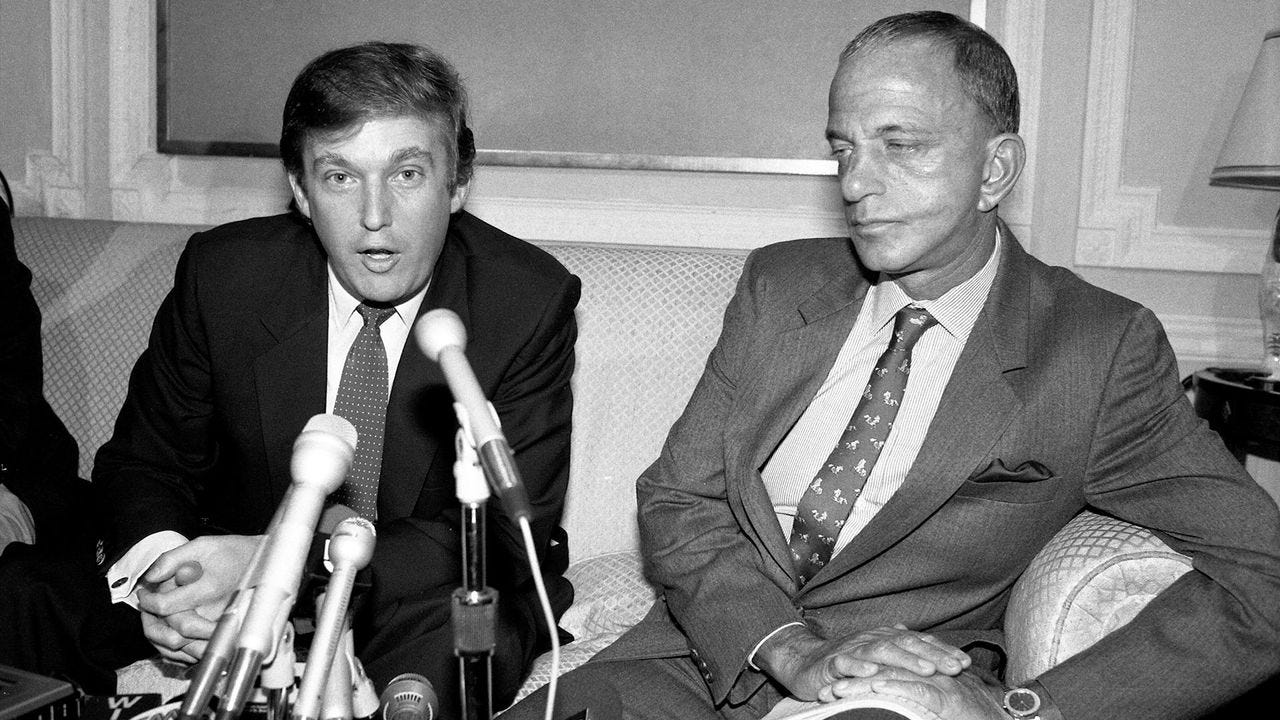
Trump understudied the notorious Roy Cohn from whom he learned Three Rules of Winning:
Attack, attack, attack
Always take the offensive. Never play defense. Strike first and hardest.
Admit nothing. Deny everything, deflect, and counter-accuse.
No matter what happens, claim victory.
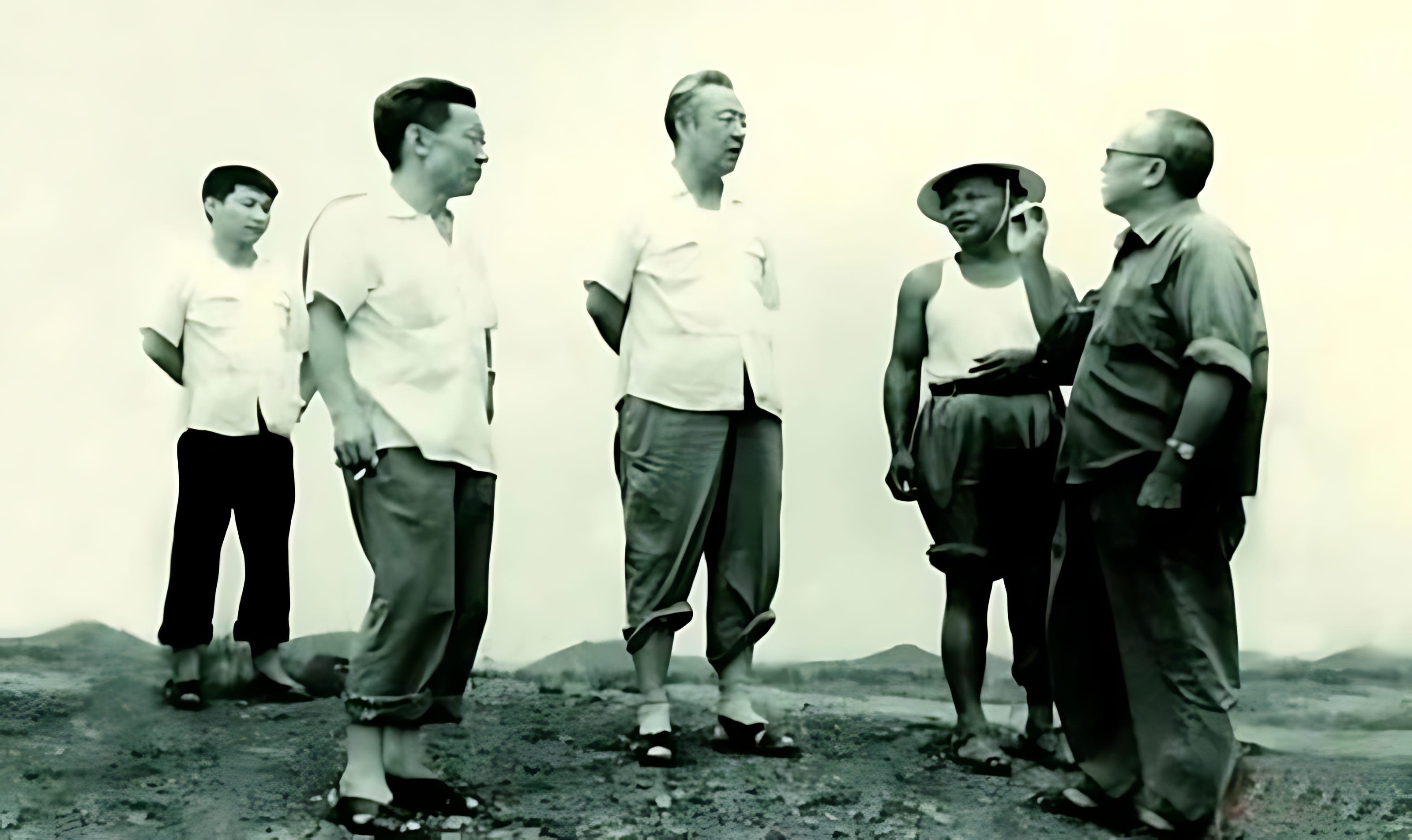
President Xi studied under his father whom Mao named the greatest negotiator in Chinese history.
Trump’s meeting with Xi in Busan last October was the first time since 1989 the
